Temporary Construction Services
Utah construction site supported by Temporary Construction Services

Temporary power systems

Temporary Power Distribution for Utah Construction Sites

Plan construction power distribution boxes, branch circuits, cords, and connection points around real Utah jobsite loads and changing work areas.

Site-specific planning

Move power safely from the source to active work areas

A temporary service is only the starting point. Distribution carries usable power from the approved source to tools, lighting, site offices, charging areas, and other confirmed loads. TCS reviews the site layout, voltage, amperage, phase, connection types, cord paths, and construction sequence before confirming a configuration.

  • Load inventory covering continuous demand and equipment startup
  • Distribution-box and connection-point placement around active work zones
  • Cord routing that considers traffic, water, grading, and changing access
  • GFCI, grounding, overcurrent protection, and inspection requirements
  • Planned adjustments as trades and construction phases move through the site
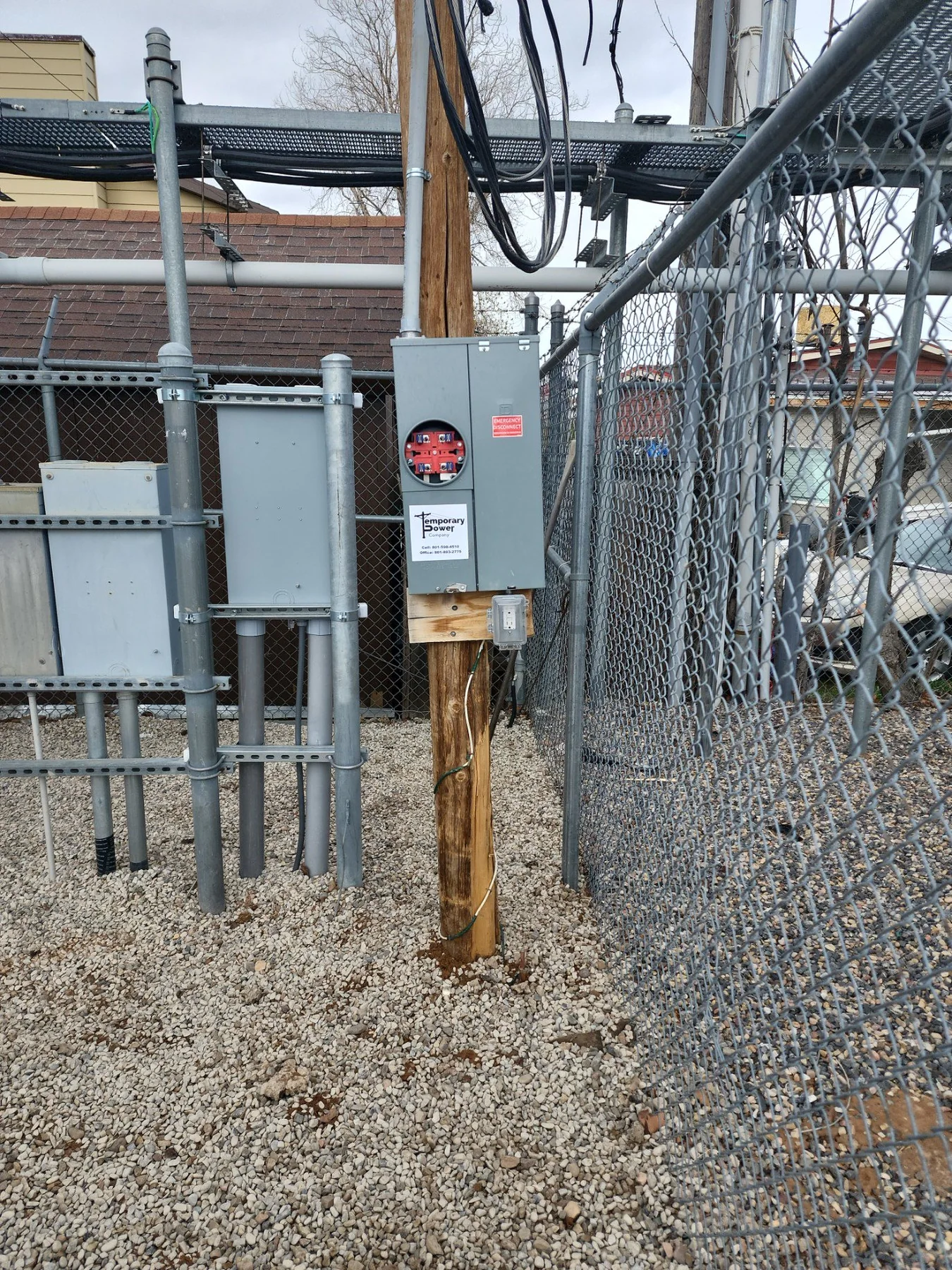
Installed TCS temporary power equipment beside a fenced Utah commercial work area
TCS temporary power work on a Utah construction site

From planning to active use

A distribution plan built around the loads

01

Confirm the source

Identify whether power will come from a utility-connected temporary pedestal, a generator, or a planned transition between the two. TCS prepares utility-served temporary systems; the serving utility makes the final live connection.

02

Document the loads

List voltage, phase, amperage, plug or connector type, startup demand, run time, and criticality for the tools and systems expected on site.

03

Lay out distribution

Place distribution boxes and connection points to support the work while keeping cords away from vehicle paths, standing water, sharp edges, and unprotected crossings.

04

Review as the site changes

Framing, enclosure, interior work, and commissioning can each shift where power is needed. Distribution should be reviewed before crews improvise extensions or overload a circuit.

What the plan covers

Source, distribution, protection, and access

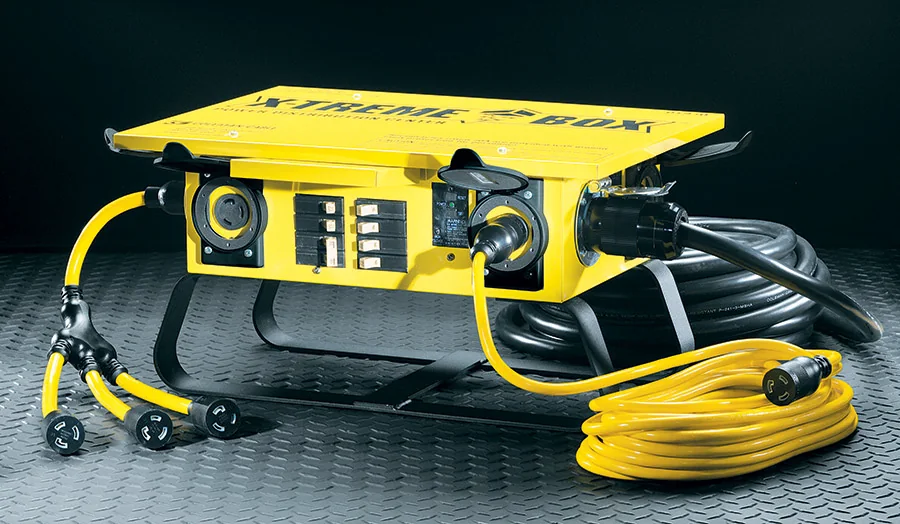
Distribution boxes and spider boxes

Portable distribution equipment can create protected branch-circuit connection points closer to the work. The correct input, output, ratings, and protection depend on the source and connected loads.

Temporary panels and feeders

Larger or longer-duration projects may need a planned hierarchy from the temporary service or generator through panels, feeders, and local distribution points.

Inspection and jobsite safety

Temporary wiring must follow the approved design, applicable electrical requirements, manufacturer instructions, inspector direction, and the general contractor’s site safety program.

Project and safety requirements control the final setup

TCS confirms scope around the actual site, approved plans, serving source, authority having jurisdiction, manufacturer requirements, and the general contractor’s safety program. This page is planning guidance, not an engineered design or a substitute for site supervision.

Planning questions

Power distribution FAQ

What is a temporary power distribution box?

+

A temporary power distribution box, often called a spider box, creates protected connection points between an approved power source and construction loads. Input, output, voltage, amperage, phase, and protective features must match the actual system.

Can TCS plan spider boxes for a construction site?

+

TCS can review the power source, connected loads, work areas, cord routing, and project phases to confirm an appropriate temporary distribution approach. Equipment and service scope are confirmed for the project.

Does a distribution box replace the temporary power pedestal?

+

No. The pedestal or another approved source supplies power; distribution equipment carries that power to usable connection points. On utility-served systems, TCS prepares the temporary setup and the serving utility makes the final connection to live power.

What information is needed for a distribution estimate?

+

Share the site plan, source location, known voltage and phase, load list, cord distances, operating schedule, construction phase, access constraints, and any temporary lighting or generator needs.

Plan the next move

Plan construction power distribution for your site.

Share the project type, Utah location, timing, and services you are considering. Our team will review the details and follow up.