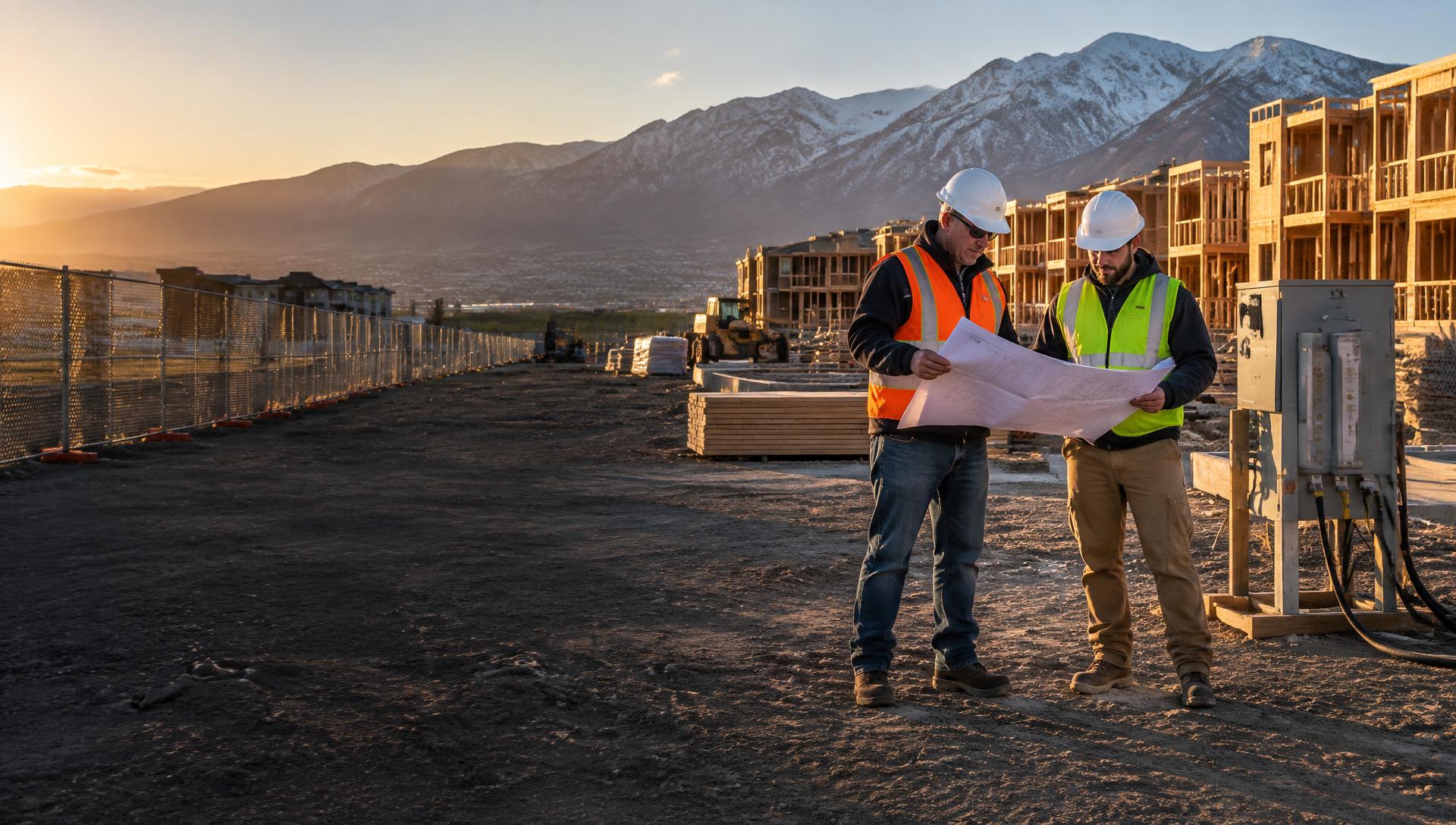
Every site is different. TCS starts with your project details, confirms the service scope, and coordinates around access, timing, and active construction needs.
Project needs and site conditions reviewed
Service scope coordinated before work begins
Installation or support aligned with site access
Ongoing needs reviewed as the project changes
Fuel logistics and continuity
Technical planning for generator fueling
Coordinate delivery around real consumption, tank capacity, site access, weather, containment, and operating hours. Fuel type, delivery windows, monitoring, and emergency availability are confirmed for each project.
Scheduled and urgent delivery
Set the route plan from runtime and measured consumption, with an escalation path when use changes.
Scheduled route delivery for generators, heaters, and light towers
On-demand requests reviewed against safe access and current availability
Delivery records tied to the project and equipment
Access planning that avoids active work areas and blocked fire lanes
Fuel and winter readiness
Specify the correct product and cold-weather plan for the application.
Ultra-low sulfur diesel options
Dyed off-road or clear on-road diesel as legally appropriate for the use
Winterized fuel and anti-gel treatment options when conditions require them
Fuel selection documented without presenting tax or regulatory advice
Containment and monitoring
Reduce avoidable interruptions and support the site’s environmental plan.
Secondary containment and spill-response supplies matched to the setup
Delivery practices coordinated with applicable DOT, EPA, Utah DEQ, and site requirements
Wireless tank-level monitoring options where available
Automatic refill thresholds established only after consumption and access are understood
TCS reviews scope, access, dependencies, and open questions.
3
Coordinate site support
Timing and service details are confirmed before work begins.
Planning questions
Generator Fueling FAQ
How is a generator fueling schedule set?
TCS reviews tank size, runtime, measured burn rate, expected loads, weather, and access. The schedule can be adjusted as actual consumption changes.
What delivery windows are available?
Standard, urgent, and after-hours needs are reviewed by location, safe access, crew availability, and fuel supply. A specific window is confirmed for the project; the website does not promise universal 24/7 dispatch.
How is generator fuel service billed?
Billing depends on the confirmed delivery and service scope, fuel product, volume, location, access, and schedule. TCS provides project-specific terms rather than a generic online price.
Are winter additives guaranteed to prevent gelling?
No additive can replace correct fuel selection, storage, maintenance, and weather planning. TCS can coordinate an appropriate winter fuel approach, but performance depends on the full system and conditions.
How does TCS plan for spill prevention?
The project plan considers tank condition, secondary containment, spill supplies, delivery access, transfer procedures, and the site’s environmental requirements. Any incident follows the applicable site and regulatory response plan.