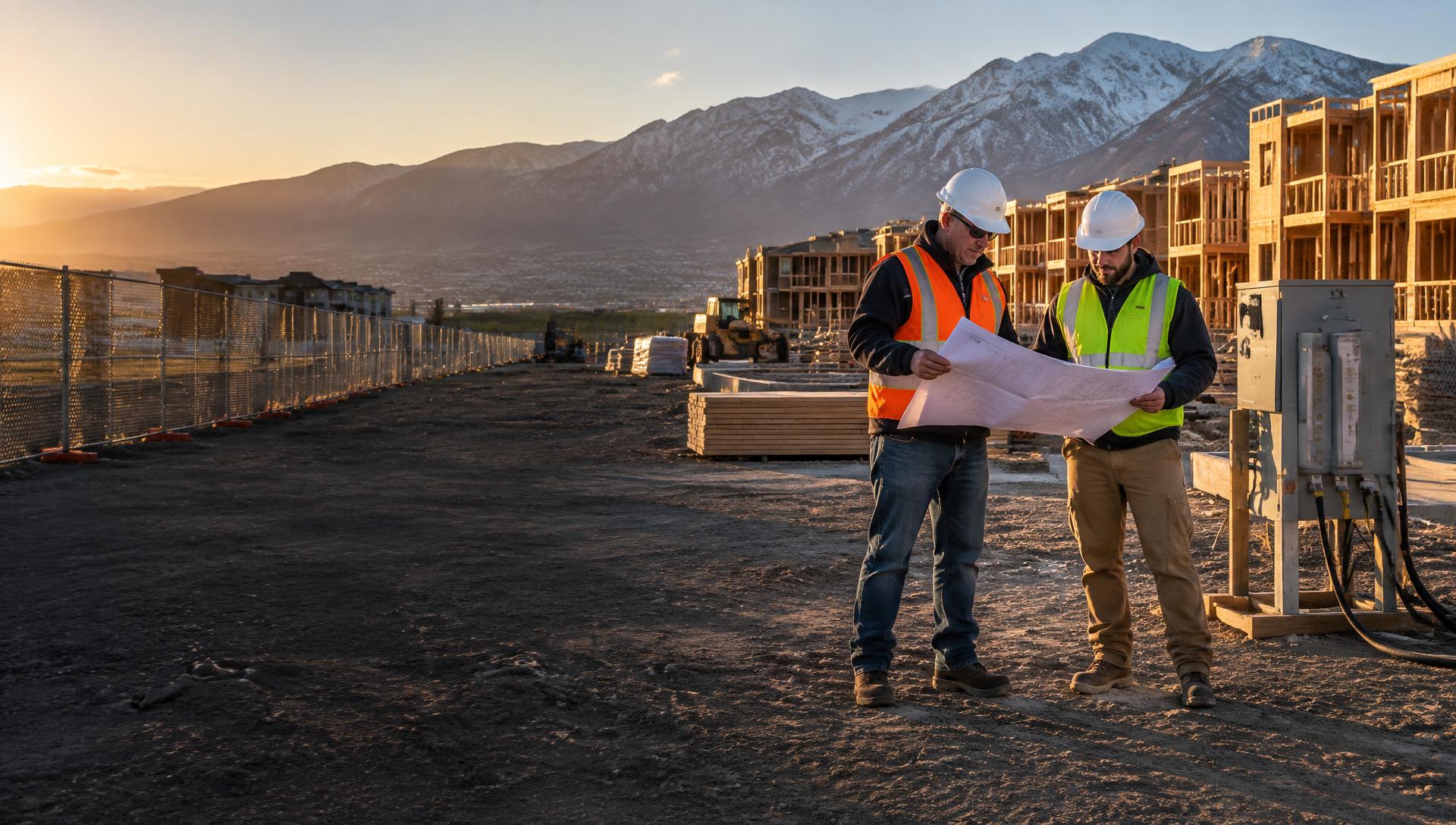
Every site is different. TCS starts with your project details, confirms the service scope, and coordinates around access, timing, and active construction needs.
Project needs and site conditions reviewed
Service scope coordinated before work begins
Installation or support aligned with site access
Ongoing needs reviewed as the project changes
Visibility, deterrence and documentation
Technical planning for security camera systems
Build camera coverage around the real access points, assets, connectivity, weather, and reporting needs of the site. Available equipment and monitoring features are confirmed for each project.
Camera and deterrence options
A site review determines which capabilities fit the risk and operating environment.
Solar-powered mast or mobile trailer configurations
High-definition fixed or optical PTZ views
Infrared or thermal-assisted night coverage where available
Human and vehicle classification, visible strobes, and two-way audio options
Superintendent access
Give authorized project staff useful visibility without replacing the site security plan.
Mobile and desktop viewing options
Automated event alerts configured around priority zones
Cellular cloud recording with available local-storage continuity
High-resolution time-lapse recording options for project documentation
Theft and liability documentation
Use recorded site activity as one layer in a broader access and loss-prevention plan.
Document unauthorized access and after-hours movement
Watch copper, tools, equipment, and material laydown areas
Review deliveries and access disputes
Preserve relevant footage according to the confirmed retention plan
TCS reviews scope, access, dependencies, and open questions.
3
Coordinate site support
Timing and service details are confirmed before work begins.
Planning questions
Security Camera Systems FAQ
Where should cameras be placed on a construction site?
Start with vehicle and personnel entries, material storage, high-value equipment, blind corners, and the primary work face. Final mast height, view, solar exposure, and exclusion zones are confirmed from the site layout.
Will a solar camera work during a Utah winter or inversion?
Solar performance depends on panel exposure, snow cover, battery capacity, temperature, and system load. TCS reviews those conditions and confirms whether solar, supplemental charging, or another configuration is appropriate.
What happens when cellular signal is weak in rural Utah?
Coverage is checked for the project location. Available options may include carrier selection, antenna placement, local recording continuity, or a different communications plan. Live cloud features depend on a usable connection.
Does TCS provide live monitoring?
Monitoring, alert routing, talk-down, recording, and response options vary by project and available system. TCS confirms exactly what is included before service begins; cameras do not replace emergency services or the contractor’s safety program.