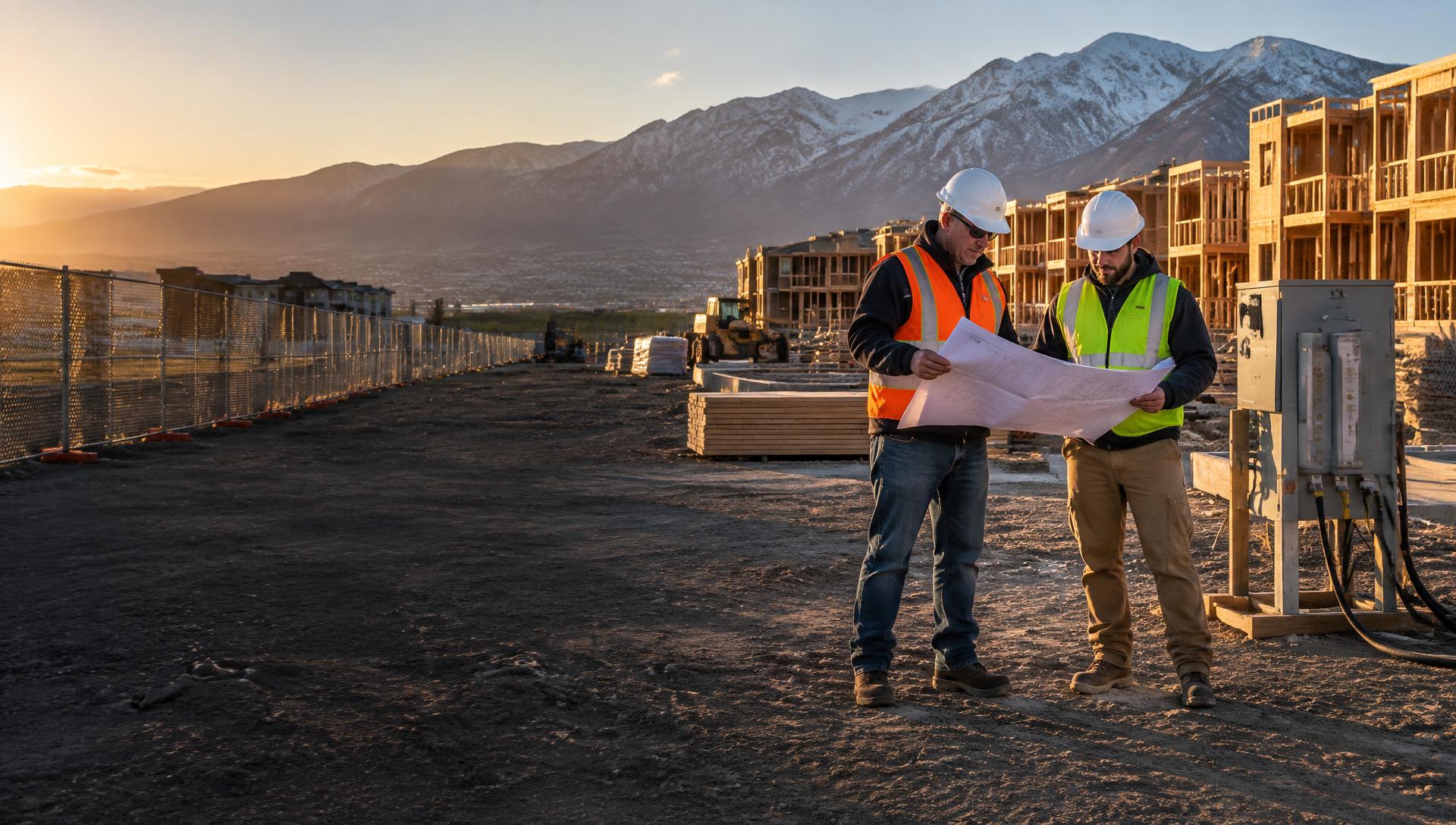
Every site is different. TCS starts with your project details, confirms the service scope, and coordinates around access, timing, and active construction needs.
Project needs and site conditions reviewed
Service scope coordinated before work begins
Installation or support aligned with site access
Ongoing needs reviewed as the project changes
Sizing, deployment and runtime planning
Technical planning for generators
Match generation and distribution to measured loads, startup demand, phase, voltage, sound constraints, access, and runtime. Equipment availability and final sizing are confirmed for the site.
Capacity and connections
Towable sound-attenuated diesel configurations may span smaller 20kW-class needs through 200kW-plus project loads.
120/240V single-phase and 208V or 480V three-phase configurations where available
Cam-lock and project-specific distribution connections
Auxiliary fuel connections for approved external-tank setups
Automatic transfer switch planning when the application and electrical design require it
Bridge and remote power
Plan around utility queues, remote access, and construction loads that cannot wait for permanent service.
Bridge power while the serving utility completes its process
Remote infrastructure work in the Uintah Basin, Southern Utah, and mountain corridors
Concrete curing, ground-thaw, heating, and drying loads
Backup power for critical site offices, controls, and curing blankets
Deployment controls
A practical plan includes more than the generator nameplate.
Connected and starting-load inventory
Cable routing, grounding, access, and safe clearances
Sound and operating-hour requirements
Runtime, fueling, inspections, and service intervals
TCS reviews scope, access, dependencies, and open questions.
3
Coordinate site support
Timing and service details are confirmed before work begins.
Planning questions
Generators FAQ
How is generator kW size estimated?
List continuous loads, motor and equipment startup demand, voltage, phase, duty cycle, and planned growth. TCS reviews the information with the project team and confirms a suitable configuration rather than sizing from square footage alone.
Can generators meet sound restrictions in residential areas?
Sound-attenuated equipment can reduce noise, but placement, barriers, distance, operating hours, and local requirements still matter. TCS reviews the site and confirms the available configuration.
How long can a construction generator run between refuels?
Runtime depends on tank capacity, actual load, equipment condition, weather, and operating schedule. TCS uses project details and observed consumption to coordinate a fueling interval.
How are generator maintenance intervals handled?
The equipment manufacturer’s interval, runtime hours, operating conditions, and service scope guide maintenance. Access for inspection and service is included in project planning.